
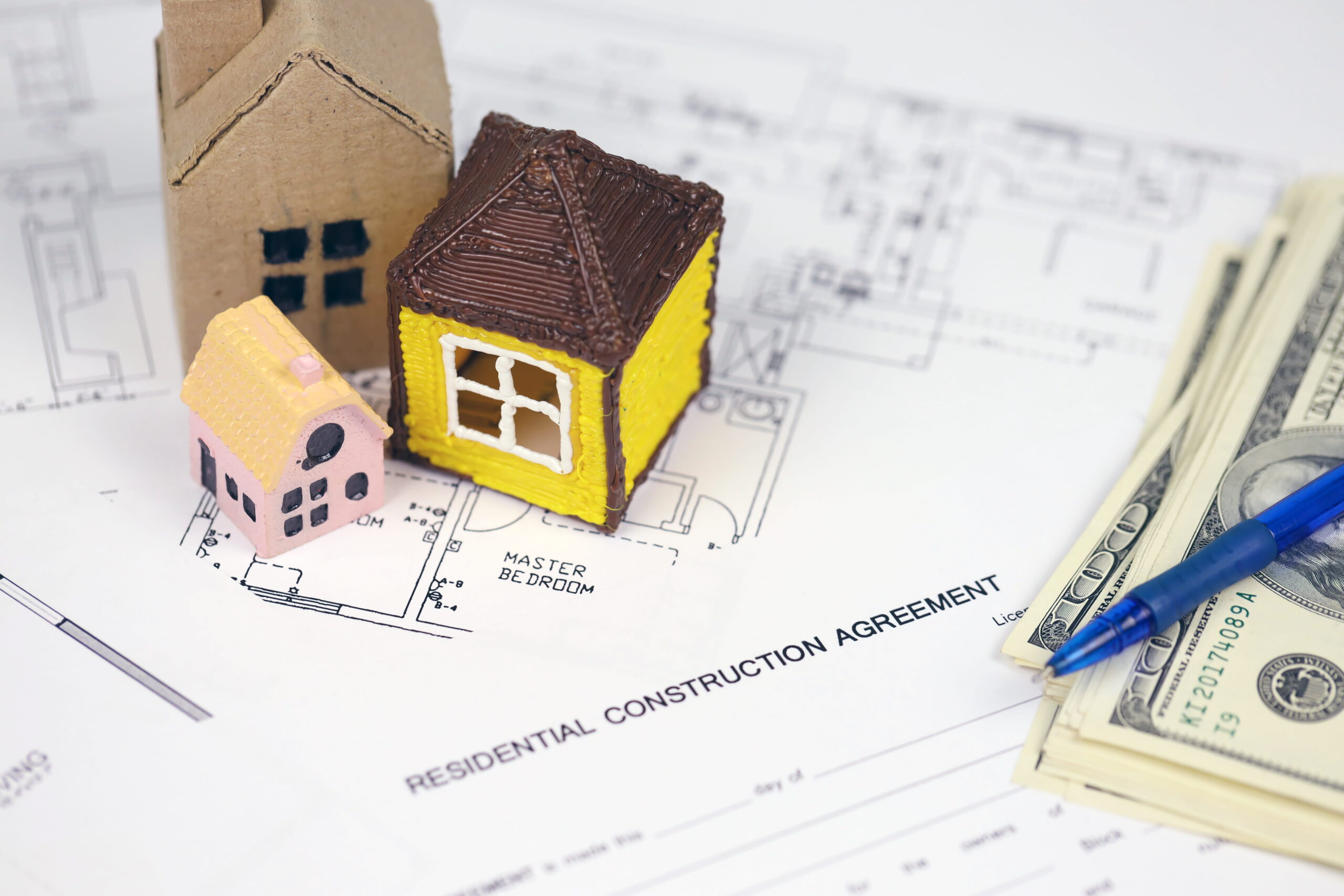
Grond-up construction can be one of the most rewarding strategies in real estate investing, but it is also one of the most complex.
Instead of improving an existing property, you are starting from the ground up. That means more control over the final product, but also more moving parts, longer timelines, and higher risk if things are not managed properly.
Financing plays a major role in whether a construction project stays on track.
Unlike traditional investment property loans, construction loans are structured around timelines, budgets, and staged funding. Understanding how these loans work before you break ground can help you avoid delays, manage costs, and complete projects more efficiently.
If you are considering a ground-up project, knowing what lenders look for and how construction financing is structured is essential.
What Is a Ground-Up Construction Loan?
A ground-up construction loan is a type of short-term financing used to fund the building of a property from the ground up.
Unlike traditional loans that are based on an existing structure, construction loans are based on the projected value of the completed property. This is often referred to as the after-repair value, or ARV, even though the property has not yet been built.
These loans are designed to cover:
- Land acquisition (in some cases)
- Construction costs
- Labor and materials
- Soft costs such as permits and planning
Because there is no finished asset at the start, lenders place a strong emphasis on the overall project plan. This includes the construction timeline, budget, and expected value once the project is complete.
Most ground-up construction loans are short-term, typically lasting 9 to 18 months, with the expectation that the investor will either sell the property or refinance into a longer-term loan after completion.
This structure allows investors to fund the build phase while keeping flexibility for their exit strategy.
How Construction Loans Work
Ground-up construction loans are structured differently than traditional real estate loans. Instead of receiving the full loan amount upfront, funds are released in stages as the project progresses.
This staged funding process is known as a draw schedule.
Here’s how a typical construction loan works:
- Loan approval based on the full project
The lender reviews the total scope of the deal, including land value, construction budget, timeline, and projected value after completion. - Initial funding (if applicable)
In some cases, a portion of the loan is released at closing to cover land acquisition or early-stage costs. - Draws released in phases
As construction progresses, funds are released in stages based on completed work. Each draw is typically tied to specific milestones. - Inspections before each draw
The lender or a third party verifies that work has been completed before releasing the next portion of funds. - Project completion and exit
Once construction is complete, the investor either sells the property or refinances into a long-term loan.
This structure helps manage risk for both the lender and the investor.
For investors, it ensures that capital is deployed as needed rather than all at once. For lenders, it provides oversight and accountability throughout the build process.
Understanding this flow is critical, especially when planning timelines, coordinating with contractors, and managing cash flow during construction.
What Lenders Look For
Because ground-up construction carries more complexity and risk than traditional investment deals, lenders take a closer look at the full project before approving financing.
At a high level, they are evaluating whether the plan is realistic, well-structured, and likely to succeed.
Some of the most important factors include:
A detailed construction budget
Lenders want to see a clear breakdown of costs, including materials, labor, and any soft costs. Vague or overly optimistic budgets can slow down approval or create issues later in the process.
A realistic timeline
Construction projects often face delays, so timelines need to be practical. Lenders will look for a schedule that reflects the scope of work and local permitting requirements.
Builder or contractor experience
Experienced builders or contractors can significantly reduce risk. Lenders are more confident in projects where the team has a track record of completing similar builds.
Comparable sales (comps)
The projected value of the completed property needs to be supported by recent sales in the area. This helps validate the after-completion value used for underwriting.
Investor liquidity and reserves
Even with financing in place, unexpected costs can arise. Lenders want to know that you have the financial capacity to handle overruns or delays.
Unlike simpler investment loans, construction financing is not just about the numbers. It is about the entire execution plan.
The more detailed and realistic your project is upfront, the smoother the approval and funding process will be.
Draw Schedules Explained
A draw schedule is one of the most important parts of a construction loan.
Instead of receiving all funds upfront, the total loan amount is divided into stages. Each stage corresponds to a phase of the construction process, and funds are released only after that portion of the work is completed.
A typical draw schedule might include:
- Site preparation and foundation
- Framing
- Mechanical systems (plumbing, electrical, HVAC)
- Interior work (drywall, flooring, finishes)
- Final completion
Before each draw is released, the lender will require an inspection or verification to confirm that the work has been completed according to the agreed plan.
This process serves a few important purposes:
- Controls how funds are used
Capital is allocated based on actual progress, not estimates. - Reduces risk
Both the lender and the investor have visibility into how the project is progressing. - Keeps the project on track
Regular checkpoints help ensure that timelines and budgets are being followed.
For investors, understanding the draw schedule is critical for managing cash flow.
Because funds are released after work is completed, you may need to cover certain upfront costs before being reimbursed through the next draw. Planning for this gap is an important part of running a smooth construction project.
Clear communication with your contractor and lender can help ensure that draws are requested and released without unnecessary delays.
Benefits of Ground-Up Construction
While ground-up construction is more complex than buying or renovating an existing property, it offers several advantages that can make it an attractive strategy for the right investor.
Full control over the final product
You are not limited by an existing layout or structure. This allows you to design the property to match current market demand, whether that means layout, finishes, or overall positioning.
Potential for higher margins
By building from the ground up, investors can create value more directly. If costs are managed effectively and the project is well-positioned, the spread between total investment and final value can be significant.
Ability to target specific markets
Construction allows you to build in areas where inventory is limited or outdated. This can be especially valuable in markets where demand is strong but existing housing options are scarce.
New construction appeal
Newly built properties often attract buyers and tenants looking for modern features, lower maintenance, and updated systems. This can lead to faster sales or stronger rental demand.
For investors who have the right team and a well-structured plan, these advantages can make ground-up construction a compelling way to grow a portfolio.
Risks to Consider
Ground-up construction can offer strong upside, but it also comes with risks that investors need to plan for.
The most common challenges include:
Cost overruns
Material prices, labor costs, or unexpected issues can push a project beyond the original budget. Without a contingency plan, this can quickly impact profitability.
Timeline delays
Permitting, inspections, weather, and contractor availability can all extend timelines. Delays increase holding costs and can affect your exit strategy.
Market shifts
If market conditions change during construction, the final sale price or rental demand may not match initial projections.
Execution risk
Unlike a simple purchase or renovation, construction requires coordination between multiple parties. Miscommunication or poor project management can create setbacks.
Financing pressure
Because construction loans are short-term, delays or budget issues can create pressure to complete the project within the loan term.
The key is not to avoid these risks, but to plan for them.
Building in contingency reserves, working with experienced contractors, and setting realistic timelines can help reduce exposure and keep the project on track.
When Ground-Up Construction Makes Sense
Ground-up construction is not the right fit for every investor or every market. It works best when the conditions and strategy align.
It may make sense when:
There is strong market demand
If buyers or renters are actively looking for newer properties, building from the ground up can position you to meet that demand directly.
Inventory is limited or outdated
In markets where existing properties are older or require significant updates, new construction can stand out and command higher prices or rents.
You have access to a reliable team
Experienced contractors, builders, and project managers are critical. The more complex the project, the more important it is to have the right people in place.
You have a clear exit strategy
Whether the plan is to sell or refinance, knowing your exit upfront helps guide decisions throughout the project.
You are prepared for a longer timeline
Construction projects require patience. Investors who plan for realistic timelines are better positioned to manage delays without unnecessary pressure.
For investors who meet these conditions, ground-up construction can be a strategic way to create value and expand a portfolio.
Financing vs. Traditional Loans
Ground-up construction loans are structured very differently from traditional real estate loans.
With a typical investment property loan, you are financing a completed asset. The lender can evaluate the property as it exists today, and funds are usually provided in full at closing.
Construction financing works differently because the property does not yet exist.
Some of the key differences include:
Staged funding instead of a lump sum
Funds are released over time through draw schedules, based on completed work rather than being provided upfront.
Greater emphasis on the project plan
Lenders are not just evaluating the property. They are reviewing the full construction plan, including budget, timeline, and expected value.
More oversight during the loan term
Inspections and progress checks are built into the process to ensure the project is moving forward as planned.
Shorter loan timelines
Construction loans are typically designed for the build phase only, with the expectation that the property will be sold or refinanced after completion.
Higher complexity
There are more moving parts compared to a standard purchase or refinance, which requires more coordination between the investor, lender, and contractor.
For investors, this means preparation is key.
Understanding how construction financing works ahead of time can help avoid delays, manage expectations, and keep the project aligned with both budget and timeline.
Final Thoughts
Ground-up construction offers a unique opportunity for real estate investors to create value from the ground up, but it requires a different level of planning, coordination, and financing.
Unlike traditional investment deals, construction projects depend heavily on timelines, budgets, and execution. The way your loan is structured plays a major role in how smoothly the project progresses.
Understanding how construction loans work, what lenders look for, and how funds are distributed can help you avoid common pitfalls and stay on track from start to finish.
For investors with the right team and a clear strategy, ground-up construction can be a powerful way to expand a portfolio and take advantage of opportunities that are not available through existing properties.
If you are considering a construction project, taking the time to review your financing options and align them with your plan can help set the foundation for a successful build.